Medical evidence is critical in a variety of legal and administrative proceedings. As citizens and as professionals with specialized knowledge and experience, physicians have an obligation to assist in the administration of justice.
Whenever physicians serve as witnesses they must:
- Accurately represent their qualifications.
- Testify honestly.
- Not allow their testimony to be influenced by financial compensation. Physicians must not accept compensation that is contingent on the outcome of litigation. Physicians who testify as fact witnesses in legal claims involving a patient they have treated must hold the patient’s medical interests paramount by:
- Protecting the confidentiality of the patient’s health information, unless the physician is authorized or legally compelled to disclose the information.
- Delivering honest testimony. This requires that they engage in continuous self-examination to ensure that their testimony represents the facts of the case.
- Declining to testify if the matters could adversely affect their patients’ medical interests unless the patient consents or unless ordered to do so by legally constituted authority.
- Considering transferring the care of the patient to another physician if the legal proceedings result in placing the patient and the physician in adversarial positions. Physicians who testify as expert witnesses must:
- Testify only in areas in which they have appropriate training and recent, substantive experience and knowledge.
- Evaluate cases objectively and provide an independent opinion.
- Ensure that their testimony:
- reflects current scientific thought and standards of care that have gained acceptance among peers in the relevant field;
- appropriately characterizes the theory on which testimony is based if the theory is not widely accepted in the profession;
- considers standards that prevailed at the time the event under review occurred when testifying about a standard of care.
Organized medicine, including state and specialty societies and medical licensing boards, has a responsibility to maintain high standards for medical witnesses by assessing claims of false or misleading testimony and issuing disciplinary sanctions as appropriate.
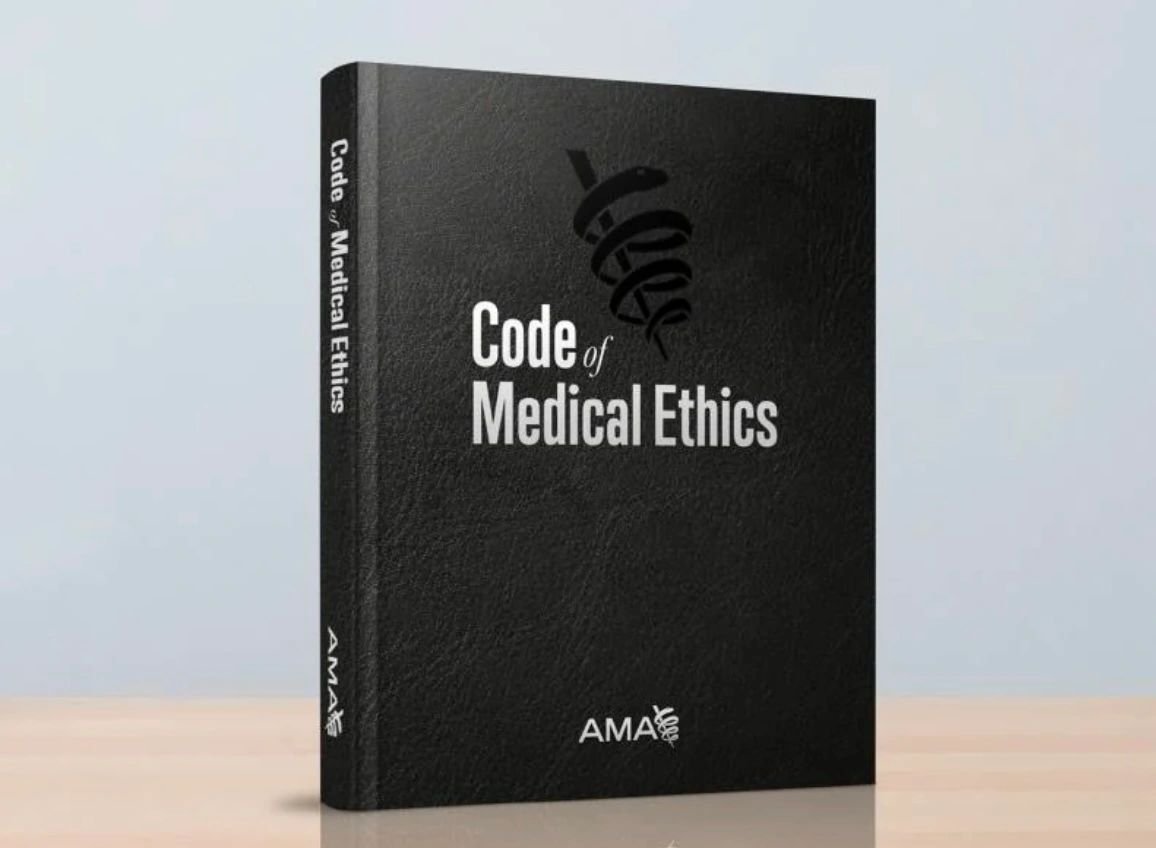
Explore the AMA Code of Medical Ethics here: https://code-medical-ethics.ama-assn.org/